Synthesis: SPIRITUAL HUMAN RIGHTS CONFERENCE, 2025
CHALLENGES OF FREEDOM OF RELIGION AND BELIEF IN EUROPE
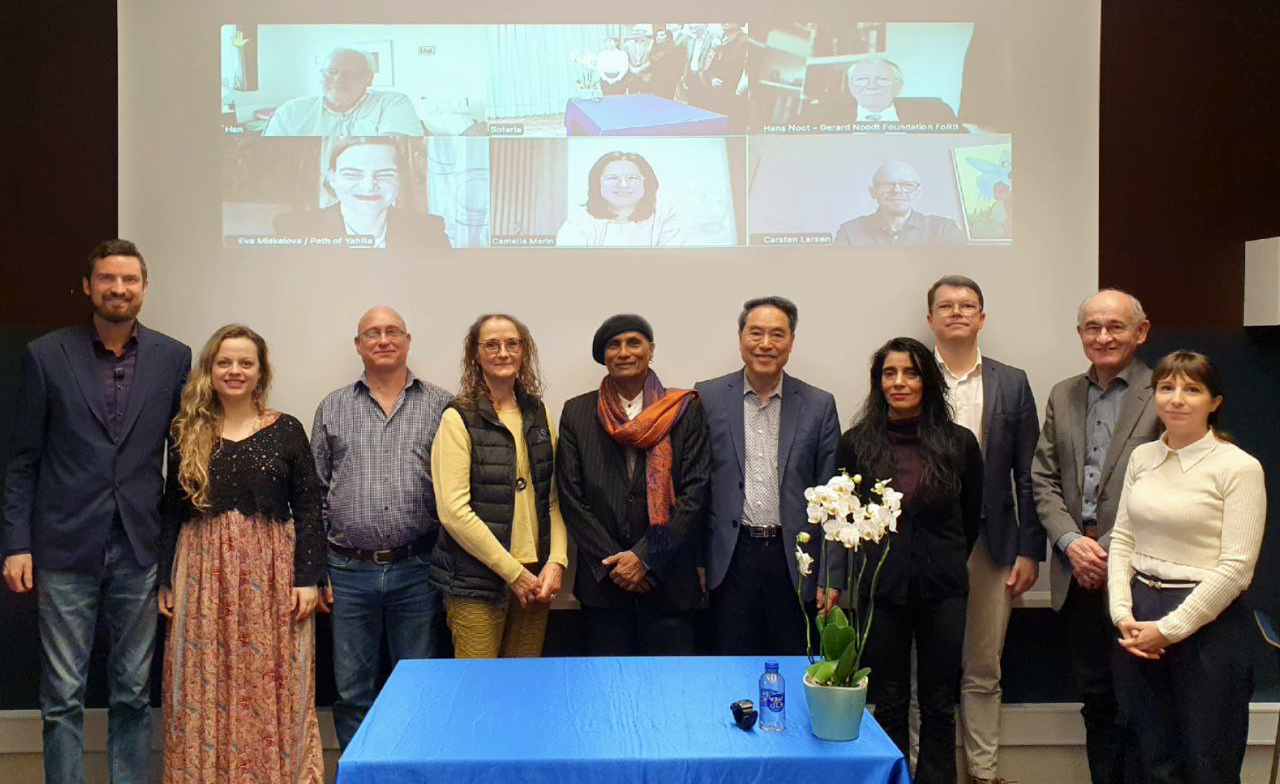
On the 10th of December 2025, on Human Rights day, Soteria International, together with Human Rights Without Frontiers, Gerard Noodt Foundation for Freedom of Religion and Belief, European Muslim Initiative for Social Cohesion and Universal Peace Federation, hosted a hybrid conference, in Copenhagen and online.
Moderated by Jonathan Selvig Skjalholt on behalf of Soteria International, the conference brought together human rights activists and representatives of civil society organisations to present increasingly pressing challenges to freedom of religion or belief in Europe and beyond. Across different national, religious, and ideological contexts, speakers discovered a common observation: a growing tension between formal human rights commitments and how it is applied by states, institutions, media, and authorities.
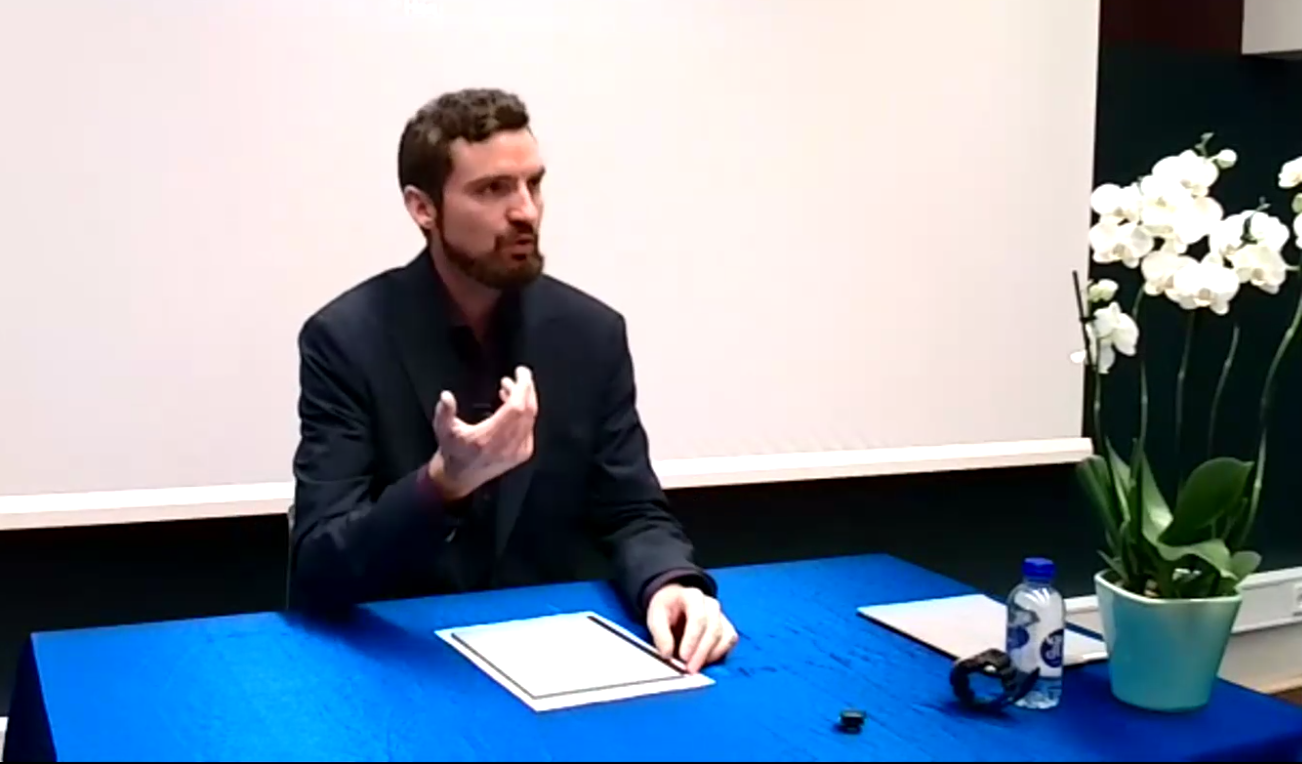
United on this significant day, human rights experts and spiritual practitioners offered presentations to increase public awareness of the following topics:
1. “Protecting Yoga Philosophies and Their Practitioners Under Article 18 of the ICCPR” – by Willy Fautré, director of Human Rights Without Frontiers.
Willy emphasised the protection afforded by Article 18 of the ICCPR, stressing that freedom of religion or belief includes spiritual philosophies such as yoga traditions. Individuals were arrested, stigmatised, or lost employment without convictions.
Media portrayals framed practitioners as “dangerous” despite the absence of legal findings. A university professor, Pavel Havlinka, a practitioner of the Path of YahRa in Czechia, lost his job because of a media campaign. Yoga teachers from the Atman Federation, Adina and Mihai Stoian, are currently detained in France, despite the fact that they had never taught yoga there, and no complaint was ever made against them in any country. The presumption of innocence, a core principle of the rule of law, is being repeatedly violated in the case of religious minorities. Administrative measures, reputational damage, and social exclusion have devastating effects on spiritual practitioners, even when no crime has been legally identified.
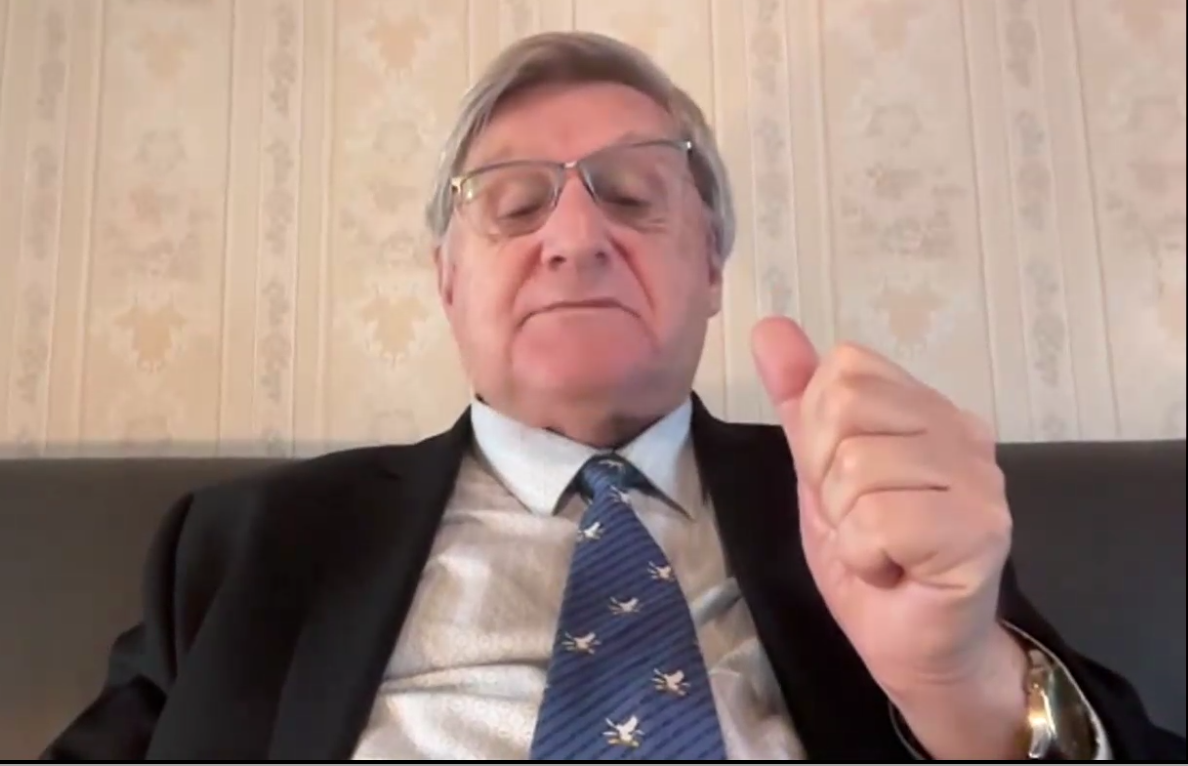
2. “Human Rights situation for Muslim communities in Denmark and EU” – by Bashy Quraishy, secretary general at EMISCO.
Bashy addressed the human rights situation of Muslim communities in Denmark and the EU. Muslims, despite being the second largest religious group, face systematic marginalisation in a society which calls itself secular and democratic. Official denial of racism coexists with policies targeting Muslim populations, such as labelling neighbourhoods as “ghettos” and dismantling them under social engineering policies. Discriminatory practices extend to family reunification and visa procedures. These examples show how secularism can transform neutrality into exclusion.

3. “The co-dependence of Rights” – by Gregory Christensen, leader of Youths for Human Rights.
Gregory highlighted that human rights are co-dependent. Freedom of religion, expression, and thought cannot exist in isolation. Lack of public education about human rights considerably correlates with abuses and social exclusion, which starts with easily noticeable bullying at schools. Teaching children about rights and responsibilities is essential for sustainable change. He underlined that freedom of speech is meaningless without freedom of thought, and that societies often marginalise those who challenge dominant conventions.

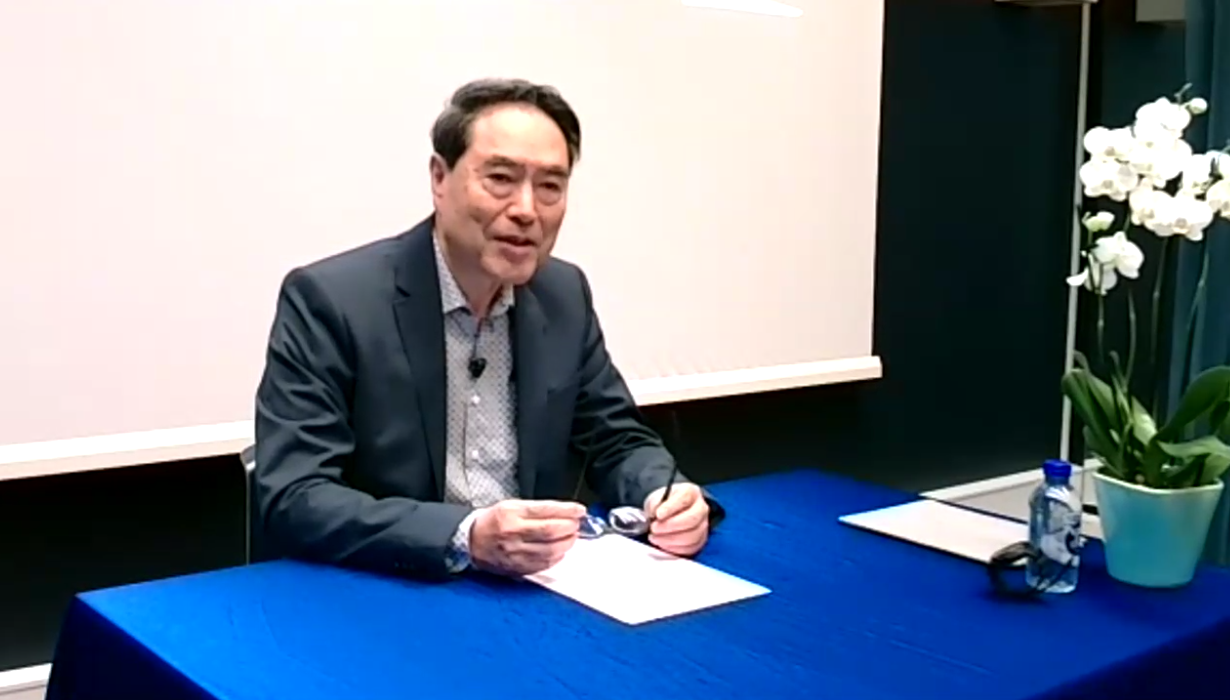
4. "Serious Oppression of Religious Freedom in South Korea" – by Nobuhiro Igarashi, chairman of Universal Peace Federation.
Nobuhiro draws attention to serious violations of religious freedom in South Korea, including harsh arrests such as that of Dr. Hak Ja Han Moon. He emphasises that South Korea and Japan are pivotal contexts where international human rights scrutiny is urgently needed and that political interference often results in the violation of freedom of religion and belief. Nobuhiro emphasises that when the judiciary becomes a political tool used to silence the believers, democracy loses its foundation. When religious freedom disappears, those in power can impose specific beliefs and suppress others.
He warns that failure to address religious repression in one region risks normalising and exporting such practices globally.
5. “The Shrinking Operational Space for Minority Religions in Europe: A Growing Administrative Challenge” – by Hans Noot, director of the Gerard Noodt Foundation.
Hans described a broader European shift toward religious deconfiguration - while societies increasingly speak the language of inclusion, religious expression, especially within minority religions, is becoming unwelcome. “Neutrality” is redefined not as tolerance of beliefs, but as their absence from public space. Minority religions face growing administrative obstacles rather than overt persecution. This signals a transformation of freedom of belief restrictions from legal prohibitions into bureaucratic suppression.
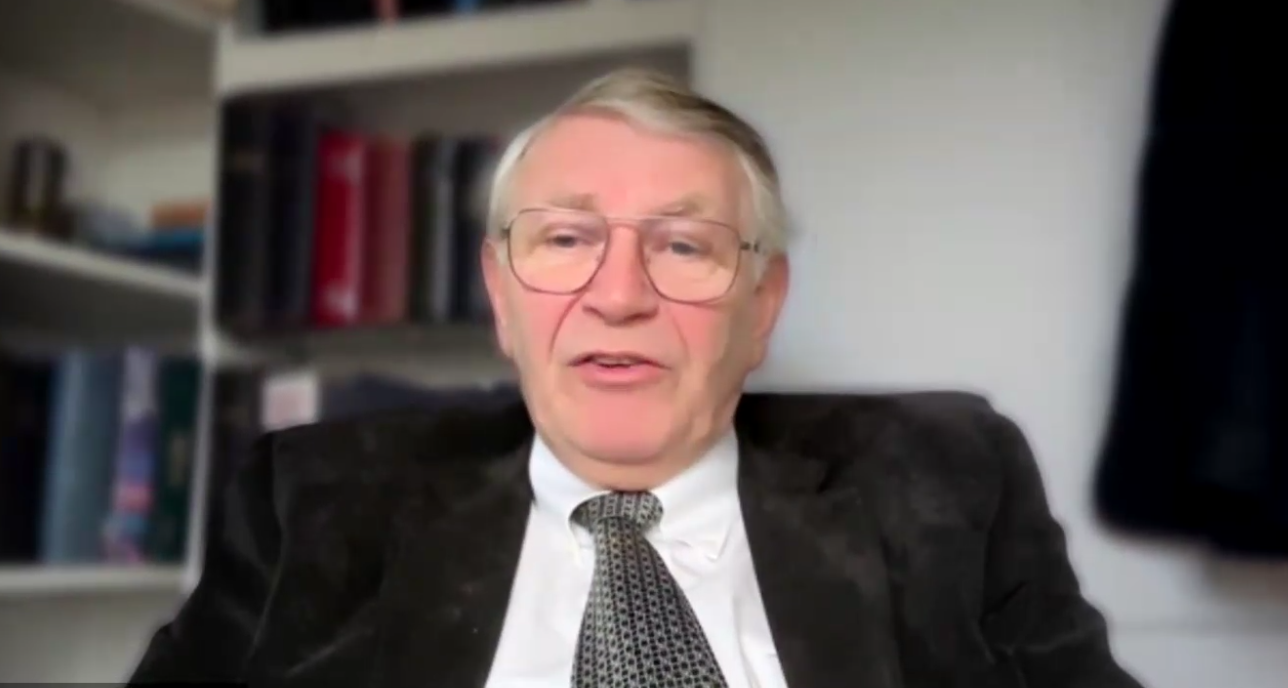
6. “Building Understanding Beyond Secular Bias and Anticult Narratives in Czechia and Central Europe.” – by Eva Miskelova, Path of YahRa, International Spiritual Society.
Eva addressed Central Europe. Czechia is one of the least religious countries in the world, shaped by post-communist secularism. Religious children face bullying, and anticult ideology represents a significant threat to pluralism. Violent acts against religious groups elsewhere in Europe (e.g., attacks on Jehovah’s Witnesses in Germany) demonstrate that stigmatisation can have deadly consequences. Anticult rhetoric was identified as a contemporary form of intolerance, legitimising surveillance and repression. Sensational headlines in the media stigmatise spiritual minorities for clicks. There is no fact-checking. There is no right to reply. Eva continues to underline that the government and media are rarely trained in freedom of religion or belief, and without knowledge, discrimination goes unnoticed or unchallenged.

7. “Media and institutional harassment” – by Arthur Lederer, vice-chairman of Natha Yoga Center Denmark.
Arthur provided a detailed account and concrete effects of the abuse and harassment against the Danish yoga school Natha Yoga Center and their students. He raised awareness of a recurring phenomenon in which the media act as both prosecutor, judge, jury, and executioner, with devastating effects for organisations and individuals. He continues to outline how French authorities, due to an ongoing investigation of two former teachers in the yoga school, pressured French citizens who are students in the yoga school in Denmark to provide information about their involvement in the school. When the adult students refused, which they have the right to, the French authorities threatened that any lack of cooperation would lead to calling their French parents in for questioning in the police station, resulting in one case to the collapse of an entire family. Arthur continues to share about the occurrence of a police raid during classes, the examination of private notebooks, and invasive investigations. Journalistic narratives labelling the yoga school as a “dangerous cult” create an image where attempts to demonstrate innocence are used as further proof of guilt. This testimony illustrates how the interference of the media can bypass judicial safeguards.
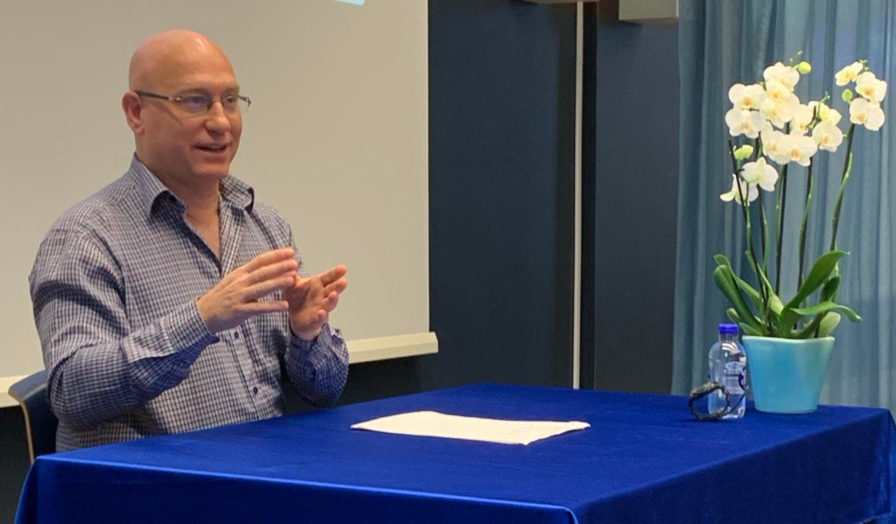
8. “Do European institutions adequately ensure the protection of human rights?” – by Camelia Marin, Soteria International.
Camelia concluded by questioning whether European institutions genuinely protect human rights. Human rights originate from shared moral principles across cultures, not from ideological dogma. Even highly ranked democracies, such as Denmark, display serious flaws in implementation. Camelia shares a short analysis of how the compatibility of EU law with the European Court of Human Rights shows complex issues. The evolution of this relationship remains crucial to ensuring the effective protection of human rights within the European Union and in interaction with the European Court of Human Rights. Thus, we rise our concern on the way in which the respect for fundamental human rights and international judicial collaboration, including rule of law, will be applied in European context.
.png)
Conclusion
The conference identified a pattern of systematic erosion of freedom of religion or belief which repeats in various religious groups, not always through explicit legal bans, but through presumption of guilt, anticult narratives, media-driven stigmatisation, administrative harassment and redefined secular neutrality. Article 18 of the International Covenant on Civil and Political Rights (ICCPR): The freedom of thought, conscience, religion or belief is of a paramount importance when it comes to our ability to grow and evolve as individuals and as a society and must therefore be held in the highest regard in terms of application in our world today.
Speakers collectively warned that human rights protections are only as strong as their application. The conference called for renewed vigilance, education, accountability of institutions and media, and a recommitment to the foundational principle that belief, conscience, and spirituality must never be treated as a crime.